As the gardening season approaches, many enthusiasts look forward to the bloom of their roses, arguably one of the most beloved flowers in gardens worldwide. Pruning, although it might seem daunting at first, plays a crucial role in maintaining the vitality, aesthetics, and health of rose bushes. This guide is designed to help intermediate gardeners master the art of pruning roses, ensuring your plants remain vibrant and produce spectacular blooms.
Understanding the Importance of Pruning Roses
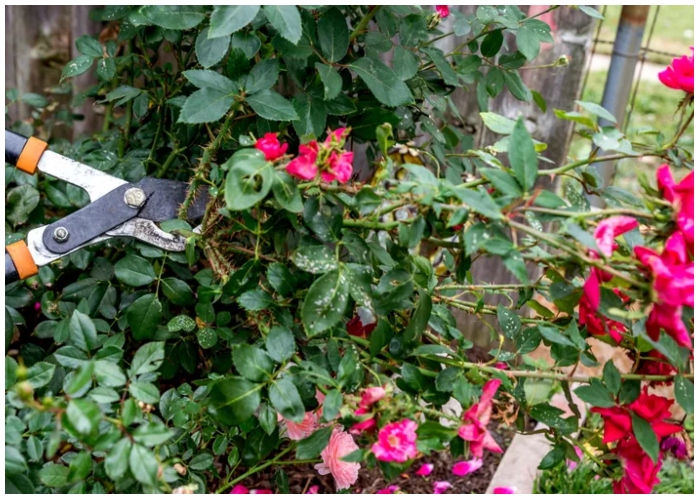
Pruning is not just about maintaining a garden’s aesthetics; it’s a vital practice to ensure the health and longevity of rose bushes. Regular pruning helps stimulate new growth, removes old and dead wood, shapes the plant, and importantly, reduces the risk of fungal diseases by enhancing airflow within the plant’s structure.
When to Prune Roses: Timing Is Everything
Identifying the Optimal Pruning Season
The ideal time for pruning roses is typically between late winter and early spring. This period is crucial because it is right before the new blooms start to show. Pruning should be done annually, and the timing can vary slightly depending on your local climate and the specific class of rose. For instance, once-blooming roses that develop flowers on old wood should be pruned right after their blooming phase to avoid cutting off the next year’s buds.
Signs It’s Time to Prune
You know it’s time to prune when the leaf buds begin to swell and take on a pink or reddish hue. This indicates that the plant is exiting dormancy and is about to burst into spring growth. Pruning too early or too late can impact the plant’s ability to recover and flourish.
Preparing to Prune: Essential Tools and Protective Clothing
Necessary Tools
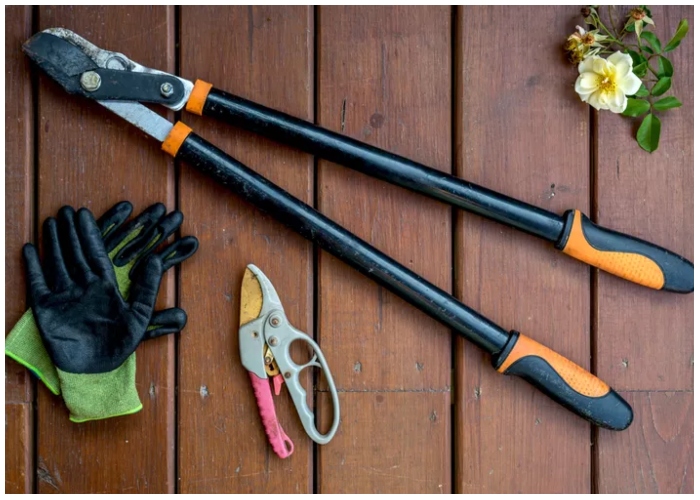
A few basic tools are required for effective pruning:
- Gardening gloves to protect your hands from thorns
- Bypass pruning shears for clean cuts
- Long-handled loppers to reach deeper or higher branches
The Importance of Protective Clothing
Pruning roses comes with its hazards, primarily from the thorns. It’s essential to wear thick gardening gloves that cover up to the arms, durable pants, and a long-sleeved shirt or jacket to prevent scratches and potential infections.
Pruning Techniques: How to Make the Right Cut
Pruning at the Right Angle
The technique of pruning is as important as the timing. Always prune at a 45-degree angle about one-quarter inch above a bud eye (the part of the stem where a leaf attaches). The cut should angle downward on the opposite side of the stem from the bud eye to encourage water runoff and prevent disease.
Target Areas for Pruning
Start by removing any dead wood or old flowering stalks which appear visibly darker or dried out. Also, trim any spindly canes or those extending beyond your desired shape to maintain a healthy “V” or vase formation, which helps in the even distribution of nutrients and sunlight.
Special Considerations for Different Rose Types
Pruning Various Rose Varieties
Each type of rose may require slightly different pruning approaches:
- Hybrid Tea and Floribundas: These should be pruned hard in early spring, reducing the plant’s height significantly to encourage new growth and more blooms.
- Climbing Roses: These require careful pruning to maintain shape and health, removing old and dead wood early in the season and light pruning after flowering to prepare for the next growth cycle.
- Shrub and Repeat-Blooming Roses: These should be lightly pruned to remove only dead and diseased wood in the first couple of years to establish strength and shape.
Practical Steps to Prune Roses
- Begin at the Base: Start by clearing out any dead canes from the base of the plant to improve airflow and light penetration.
- Shape and Thin: Remove interior canes and those crossing others to create an open, vase-like shape.
- Cut for Health: Look for canes that are diseased or discolored and cut them back to healthy wood.
- Encourage New Growth: Trim new growth to shape the bush and direct the plant’s energy to produce blooms.
Additional Tips: Maintaining Your Pruned Roses
After pruning, consider sealing larger cuts with white glue to prevent cane borers from damaging the plant. Regularly check your roses throughout the growing season for signs of pests or disease and adjust care as needed. Deadheading or removing spent blooms can also encourage repeat bloomers to produce more flowers.
By following these guidelines, you will not only enhance the aesthetic appeal of your garden but also improve the health and productivity of your roses, making your gardening efforts fruitful and your blooms the envy of the neighborhood.